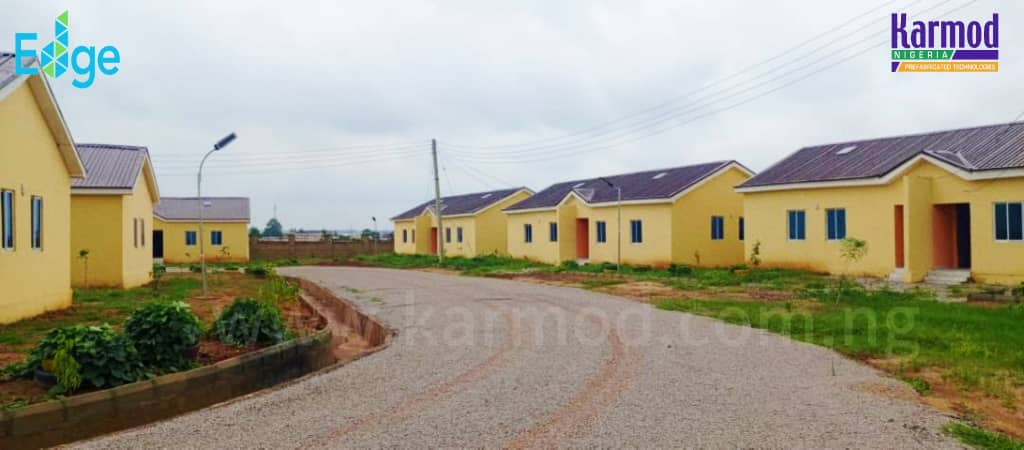
Large housing projects in Nigeria and across Africa attract growing interest from development partners. Many donors want to support safe, scalable and cost-efficient housing solutions, especially in communities with unmet needs. Now, prefab construction creates a strong opportunity because it offers speed, quality and predictable project outcomes. However, the challenge for many developers is attracting the right donor partners and securing housing grants that can move a project from concept to completion.
This guide explains how real estate decision-makers and government agencies can position their projects for housing grants, prefab donor funding, and NGO-led investment.
Understand What Donors Want Before Requesting Housing Grants
Donors invest in housing projects that create real and measurable change. They want strong evidence that your project improves living conditions, reduces vulnerability, and expands access to safe, affordable homes. Before approaching any donor, you must understand what they value and how they measure impact.
Study Donor Priorities and Funding Themes
Every donor has clear focus areas. These priorities guide the types of housing projects they support. Many reputable global institutions publish detailed guidelines that explain their interests and expected outcomes. Examples include:
-
UN-Habitat
-
World Bank Housing and Urban Development
-
USAID Housing Initiatives
These organizations invest in projects that address issues such as:
-
Affordable housing access
-
Climate-resilient building solutions
-
Urban development for low-income populations
-
Sustainable construction methods
-
Disaster-ready housing models
Review their publications, annual reports, and grant requirements. Identify the exact problems they aim to solve. This knowledge helps you align your proposal with their mission.
Match Your Prefab Housing Solution to Donor Expectations
Once you understand donor priorities, you can present your prefab housing project as a strategic fit. Donors want proof that your development delivers measurable benefits. Show them how prefab housing contributes to the outcomes they care about. For example:
-
Improved safety due to factory-controlled fabrication
-
Better affordability through predictable costs and reduced waste
-
Stronger community resilience through durable and weather-resistant structures
-
Faster delivery times that reduce shelter shortages
-
Lower environmental impact through efficient building processes
Describe these impacts in clear, simple language. Use data or verifiable estimates where possible. A well-framed impact story positions your housing project as a strong candidate for housing grants.
Demonstrate Community Value and Long-Term Benefits
Donors want to ensure that funded projects create lasting change. Explain how your prefab development supports community growth over time. Consider highlighting:
-
How families gain long-term stability
-
How the project supports local employment during installation
-
How maintenance costs remain low
-
How the housing design can expand as community needs grow
By communicating long-term value, you show donors that their investment will keep producing results long after the initial funding cycle.
Build a Solid Project Framework Before Engaging Donors
Donors support teams that demonstrate structure, readiness, and accountability. A strong project framework tells donors that you have a credible plan, a capable team, and a clear path to successful execution. Without this structure, even a good idea may struggle to attract funding.
Define Your Objectives Clearly
Your project objectives must be simple and direct. Donors need to see exactly what problem you want to solve and who will benefit. When defining your objectives:
-
Describe the housing challenge in the target community.
-
Explain why prefab construction is the right solution.
-
Specify the number of families or households you aim to support.
-
Outline your criteria for choosing project locations.
-
Highlight the direct community benefits expected from the housing development.
The clearer your objectives, the easier it becomes for donors to understand and support your vision.
Present a Structured Implementation Plan
Donors want predictable, well-planned projects. Prefab housing gives you an advantage because the process is standardized and efficient. Your plan should outline:
-
A step-by-step delivery timeline
-
Manufacturing and logistics stages
-
On-site preparation and installation phases
-
Project milestones and deliverables
-
Risk management measures that prevent delays
Make it easy for donors to see how each activity leads to a successful outcome. This level of structure builds confidence and strengthens your proposal.
Provide Budget Transparency for Housing Grants
Funding decisions rely heavily on budget clarity. Donors reject proposals with unclear or inflated costs. Break down your budget in a way that shows you understand every stage of the project. Organize it into clear categories such as:
-
Prefab unit manufacturing
-
Materials and components
-
Labor requirements
-
Transport and logistics
-
Site preparation and foundation work
-
Installation and finishing
-
Monitoring and evaluation
-
Community engagement
-
Administrative and reporting costs
A transparent budget helps donors see exactly where their funds will go. It also demonstrates financial discipline, which increases your chances of receiving housing grants.
Show Monitoring and Accountability Measures
Donors want assurance that their funds will be used responsibly. Strengthen your framework by including:
-
Reporting timelines
-
Impact-tracking methods
-
Evaluation tools
-
Independent audit options
-
Community feedback mechanisms
These elements build trust and demonstrate that your team can deliver measurable results.
Use Data to Strengthen Your Request for Prefab Donor Funding
Strong projects rely on strong data. Donors study every figure because they want to understand the housing need, the project design and the expected results. Clear and verifiable data gives your project credibility. It shows donors that your team understands the market and can deliver value. When your data is clean and consistent, you increase your chances of securing prefab donor funding.
Show Population Growth and Community Demand
Population growth shapes housing demand. Donors need to see the scale of the problem you want to solve.
Explain two things:
-
How fast the population in your target area is growing.
-
How household size affects housing needs.
You can gather this information from national census offices, local authorities or credible demographic studies. When donors see a rising population and limited housing supply, they understand the urgency of your project.
Present Current Housing Shortages With Clear Evidence
Housing shortages influence donor decisions. Many donors want projects that reduce overcrowding, improve safety and close housing gaps.
Include:
-
The number of households in the area.
-
The number of available housing units.
-
The number of households living in temporary or unsafe structures.
Use simple comparisons to highlight the gap between available housing and actual demand. Show how your prefab project reduces this gap.
Compare Construction Timelines With Simple, Verifiable Data
Time is a major factor in donor funding. Donors want to support solutions that deliver fast and predictable results. Prefab construction gives you an advantage because it has shorter timelines and fewer supply-chain disruptions.
Break your timeline comparison into two sections.
- Prefab timeline
Explain average production time for wall panels, roof systems and internal structures. Share the average installation time per unit. Show how factory-controlled production reduces delays. - B. Traditional construction timeline
Explain the longer processes involved in on-site brick and block construction. Mention factors such as weather delays, labor fluctuations and material shortages.
When donors see the difference, they can measure the increased impact that comes with prefab donor funding.
Provide Clear Cost Comparisons
Donors study costs to understand value. A transparent cost comparison helps them see why prefab is a smarter investment.
Break your comparison into four areas:
-
Material costs
-
Labor and workforce cost
-
Logistics and transportation
-
Project management and supervision
Use verified procurement records. Do not estimate costs without evidence. Donors trust figures backed by real supply-chain data.
Maintain Honesty and Transparency
Do not inflate numbers or hide costs. Donors conduct their own reviews. Any weak or exaggerated figure will reduce trust. Present clean, honest numbers that reflect real conditions. Strong data helps you secure prefab donor funding because donors rely on evidence to make decisions.
Partner With NGO Housing Nigeria Networks
Partnerships increase project credibility. Many NGOs in Nigeria work on housing development, community planning and social support programs. These organizations bring experience with community issues and provide access to established donor networks. When you work with the right partners, donors view your project as structured, cooperative and aligned with local needs.
Identify Strong NGO Partners
The right partners help you build trust within communities and with donors. You can find potential partners through three key sources.
1. International NGO directories
These platforms list global organizations that work on housing, poverty reduction and community development. They help you connect with groups that already fund or support housing programs.
2. Social impact coalitions
These groups bring NGOs, government agencies and private-sector partners together. Joining these coalitions provides access to funding opportunities and technical support.
3. Local development networks
Many Nigerian states have active community development networks. These networks understand local culture and housing challenges. They help you build engagement programs that donors respect.
Strengthen Your Project With NGO Expertise
NGO partners bring social knowledge that complements your technical strengths. They help with:
-
Community research
-
Beneficiary identification
-
Stakeholder engagement
-
Local training programs
When NGOs lead community-focused work, your project becomes more inclusive. Donors prefer funding projects that combine technical efficiency with strong community participation.
Increase Transparency Through Collaboration
Donors value transparency. They want to see how decisions are made and how resources will be used. NGO partners help increase transparency through regular reporting, community feedback channels and structured monitoring tools.
A transparent structure reduces donor risk. It shows that your prefab housing project follows good governance principles.
Leverage Karmod Nigeria’s Technical Strength
Your NGO partners do not replace your technical team. Instead, they complement it. Let the NGOs manage community relationships, while Karmod Nigeria focuses on engineering, production and delivery.
Karmod Nigeria’s experience with large-scale residential projects strengthens your proposal. Donors trust teams that combine social insight with strong technical execution.
Present a Unified Collaboration Strategy
Donors want coordinated teams. A clear partnership structure shows how each partner contributes to the project. It also shows that you have the right capacity to deliver real results.
When you build strong partnerships with NGO housing networks, you increase credibility. Donors prefer these collaborations because they show shared responsibility, reduced risk and stronger community outcomes.
Develop a Strong Sustainability and Compliance Strategy
Donors want long-term results. They invest in projects that continue to deliver value after construction ends. You need a strong sustainability plan that shows how the community will maintain the houses, manage the facilities and protect the investment. A clear plan reduces donor risk and increases your chance of securing housing grants.
Build a Local Workforce Through Training
Local training ensures the community understands how to manage and maintain the housing units. Training also keeps long-term costs low because the community does not rely on external technicians.
Your training plan should include:
-
Basic maintenance skills for daily repairs.
-
Safety procedures for electrical, plumbing and structural checks.
-
Training for local project leaders who will supervise future maintenance work.
A trained local workforce helps donors trust that the project will stay functional for many years.
Establish a Strong Community Management Structure
Communities need clear management systems. These systems help them maintain public areas, enforce rules and resolve issues. A strong management structure also assures donors that the project will not fall into neglect.
Community management can include:
-
A resident-led housing committee.
-
Clear rules for shared spaces.
-
A reporting system for repairs and complaints.
-
Scheduled inspections for each housing block.
A structured approach shows donors that your project will remain organized and stable.
Design a Practical Maintenance and Revenue Model
Maintenance requires money. You need a model that supports repairs, cleaning and facility upgrades. Donors want to see that you have thought through these financial needs.
Your model may include:
-
Small monthly service contributions from residents.
-
Community-managed maintenance funds.
-
Local partnerships with service providers.
-
Housing unit insurance to cover damage or emergencies.
A practical revenue model proves that the community can manage long-term costs. It helps donors see that their investment will produce lasting results.
Meet Regulatory Requirements and Show Full Compliance
Strong compliance increases trust. Donors want assurance that the project follows national standards and procurement rules. You need to show clear alignment with relevant government agencies.
Important agencies include:
-
Federal Ministry of Works and Housing
-
Bureau of Public Procurement
Compliance includes:
-
Approved building designs.
-
Verified procurement processes.
-
Environmental and social impact assessments.
-
Risk management plans.
Full compliance removes uncertainty and strengthens your request for housing grants.
Present Prefab as a Reliable Investment for Donors
Many donors want to support housing projects yet worry about delays, cost inflation and quality failures. Prefab construction addresses these concerns because it gives donors predictable results. You must show donors how prefab strengthens their investment and reduces project risk.
Demonstrate Predictable Timelines
Prefab construction takes place in a controlled production environment. This means fewer delays from weather, labor shortages or supply issues. Donors understand that predictable timelines help them plan their funding cycles.
Explain your timeline in simple stages:
-
Factory production
-
Logistics and delivery
-
On-site installation
-
Handover and occupancy
Each stage has a clear start and end date. This structure gives donors confidence.
Highlight the Strength of a Controlled Manufacturing Process
Prefab housing components come from a factory setting with quality checks at every stage. Controlled manufacturing ensures that each unit meets the same standard. Donors study this process because it reduces their risk.
Show how your factory operations deliver:
-
Consistent structural quality
-
Reduced material waste
-
Safer working conditions
-
Stronger overall durability
A controlled process helps donors trust the quality of each housing unit.
Explain the Advantage of Minimal Material Waste
Material waste increases project costs and reduces environmental sustainability. Prefab systems reduce waste because components follow exact measurements. Factories reuse offcuts and minimize errors.
Donors value this because:
-
It reduces environmental impact.
-
It improves cost efficiency.
-
It increases transparency in material usage.
Lower waste shows donors that you use funds responsibly.
Show How Prefab Ensures Consistent Quality
Traditional construction often produces uneven quality. Prefab systems produce identical units across the project. This consistency reduces future maintenance needs and long-term costs.
Donors support projects with predictable outcomes. Consistent quality helps them see your housing project as a stable and low-risk investment.
Emphasize Fast Deployment in High-Need Areas
Prefab construction works well in emergency and high-demand settings. Communities affected by relocation, disaster recovery or rapid population growth need fast solutions.
Explain how prefab supports:
-
Quick installation in remote or limited-access locations.
-
Rapid expansion when donors need fast results.
-
Scalable production for large communities.
When donors understand these strengths, your request for prefab donor funding becomes more convincing.
Communicate Impact With Clear, Human-Centered Storytelling
Data strengthens your proposal. Stories help donors connect emotionally to the project. A good story shows the people behind the statistics. Donors want to understand how the housing units will improve lives. You must share honest, respectful stories that reflect the real experiences of the communities you want to support.
Tell Community Stories With Honesty and Clarity
Each community has unique challenges. Share stories that reflect their experiences without exaggeration. Describe the conditions they face and the solutions they want.
Your stories should include:
-
Living conditions before the project.
-
The daily challenges families experience.
-
How safe housing will change their lives.
Keep your tone respectful. Show dignity, not pity.
Connect Stories to Measurable Outcomes
Donors must see that your stories match the project’s goals. Link each story to a specific outcome that your project will deliver.
Examples include:
-
Safer living spaces for families.
-
Reduced overcrowding.
-
Improved sanitation.
-
Stronger community stability.
Clear links help donors understand how housing grants produce real change.
Use Stories to Demonstrate Long-Term Impact
Stories that highlight long-term benefits motivate donors. They want to see how the housing units will support the community for many years.
Explain how the project will:
-
Improve education outcomes because children have stable homes.
-
Support local economies because families can remain in one location.
-
Strengthen community structures because people live in safe environments.
Human-centered stories help donors connect their funding to clear, long-term transformation.
Document Your Track Record and Experience
Donors want to fund teams with proven capacity. They study experience because experience shows reliability, discipline and delivery strength. You need a clear record of what you have achieved. This helps donors understand your ability to deliver a housing project without delays or quality problems. A strong track record also strengthens your request for housing grants because it reduces donor risk.
Present Completed Projects With Clear Evidence
If you have completed housing or community projects before, present them in a structured format. Donors want clean evidence, not vague claims. Include three key elements for every project.
-
Project pictures that show completed structures, community use and quality of finishing.
-
Timelines that explain how long each phase took from planning to delivery.
-
Lessons learned that show how your team improved operations and solved challenges.
These elements show donors that your team understands construction realities and knows how to handle unexpected issues.
Highlight Karmod Nigeria as Your Technical Partner
If Karmod Nigeria supports your project, you must highlight their strengths. Karmod Nigeria has a strong presence across Africa with significant delivery capacity. Donors value partners that bring experience and strong engineering processes.
You can present Karmod Nigeria’s strengths under four points.
1. Successful residential and institutional projects
Karmod Nigeria has delivered housing estates, worker camps, classrooms, clinics and administrative buildings across multiple countries. This experience shows that the company can operate in different terrains and with different client requirements.
2. Proven reputation for quality engineering
The company uses factory-controlled production methods that deliver consistent quality for every unit. Donors want assurance that the houses will stand the test of time. Karmod Nigeria’s engineering standards provide that assurance.
3. Ability to deliver large communities at scale
Large-scale housing requires strong logistics, planning and production capacity. Karmod Nigeria operates with systems that support mass production and rapid deployment. This gives donors confidence that the project can meet high-volume needs.
4. Strong manufacturing capacity
Karmod Nigeria runs modern production facilities that fabricate components with precision. This reduces material waste and ensures predictable delivery schedules. Donors value consistency and Karmod Nigeria delivers it.
Link Your Track Record to Donor Confidence
A solid record proves that your project can deliver results. Donors need assurance that you can manage timelines, quality and budgets. Present your track record in a professional and organized format. This reduces uncertainty and strengthens your request for housing grants.
Strengthen Your Proposal With Community Engagement Plans
Strong community engagement increases donor confidence. Donors want projects that listen to community members and respond to their needs. When your proposal includes structured engagement plans, donors see that you respect local voices. This makes your request for prefab donor funding stronger and more credible.
Explain Your Community Engagement Strategy
Begin by showing how you will engage the community before, during and after the housing project. Each phase supports trust and reduces conflict.
Your plan can include:
-
Town hall meetings that allow residents to share concerns, expectations and ideas.
-
Surveys that collect clear feedback on housing design, layout and community needs.
-
Consultations with local leaders who understand the social, cultural and economic realities of the area.
-
Skill transfer programs that train community members to support construction and long-term maintenance.
These activities help the community feel included in the project. Donors appreciate this because it improves acceptance and reduces the chance of resistance.
Show How Engagement Helps You Deliver Better Outcomes
Community engagement helps you refine project design. It ensures that the final housing units meet the real needs of families. Engagement also creates stronger community ownership, which reduces long-term maintenance challenges.
Explain how engagement supports:
-
Reduced conflict.
-
Stronger cooperation during construction.
-
Long-term sustainability of the housing units.
-
Better alignment between donors and community goals.
These advantages help donors trust that their investment will create real and lasting impact.
Build Long-Term Relationships With Donors
Donor funding works best when both sides plan beyond the first phase of construction. Many donors look for partners who show commitment, transparency and long-term vision. You need to build strong relationships that last for years and support future growth.
Treat Donors as Long-Term Partners
You must build relationships built on trust and consistent communication. Share updates even when donors do not request them. This shows professionalism and discipline.
Your approach should include:
-
Regular progress updates that explain achievements, timelines and next steps.
-
Clear reporting that shows how resources are used and monitored.
-
Invitations to site visits so donors can meet local teams and see progress.
-
Documented lessons from each stage of the project to improve future phases.
This approach shows donors that you value accountability.
Prepare for Future Phases and Expansion
Many donors support multi-phase projects. You must position yourself as a reliable partner for future expansion.
Explain three things:
-
How the next phases will scale.
-
How new communities will benefit.
-
How donor involvement will create wider impact.
A long-term view encourages donors to continue offering housing grants for future growth.
Show Commitment Beyond Construction
Donors want assurance that you stay involved after the final handover. Present a clear plan for post-construction support.
Your plan may include:
-
Maintenance monitoring for the first year.
-
Training refresh sessions for local teams.
-
Joint reviews with donors to measure impact.
This shows maturity and helps donors see you as a partner that cares about long-term results.
Conclusion
If you want a partner that strengthens your proposal and improves donor confidence, Karmod Nigeria is ready to support your housing project with reliable prefab solutions. Our team works with developers, government agencies and NGOs that want to deliver high-impact communities across Africa.
We are available to guide your project from concept to completion. Contact us via +234 (0) 7001111112
 Français
  English